



DKIM2 Explained: Why Your 99% Delivery Rate Could Suddenly Drop
A 99% delivery rate does not guarantee that your emails reached the inbox. It only means the receiving server accepted them.
DKIM2 is a proposed evolution of email authentication that could allow mailbox providers to reconsider a message after initially accepting it.
If later filtering determines that a message is unwanted or suspicious, the provider may return a delayed bounce.
Brands relying on outdated deliverability metrics could see sudden increases in bounce rates and lower inbox placement.
Why You Should Read This Article
- Delivered does not mean inbox placement
- DKIM2 introduces the possibility of delayed bounces
- Poor list hygiene may become easier to detect
- Mailbox providers may reject messages after initially accepting them
- Brands should audit authentication before 2027
Everyone celebrates a 99% delivery rate.
They probably should not.
Imagine this.
Your latest campaign finishes sending.
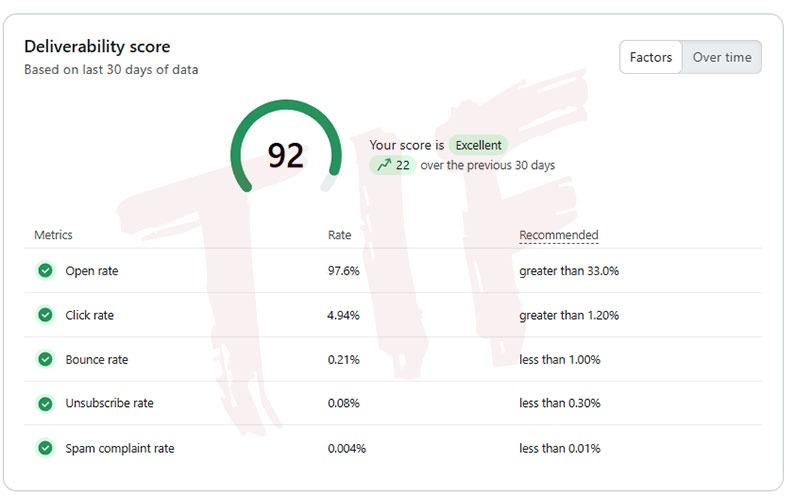
Your dashboard says:
You celebrate it.
Then the next morning, your email platform reports that another 4% of your messages bounced.
Not because they were sent to invalid addresses.
Because the mailbox provider decided—hours later—that those messages should not have remained accepted.
Welcome to the future of email authentication.
“Delivered” Never Meant “Inbox Placed”
This surprises many marketers and ecommerce managers.
Most email service providers define a delivered email as:
The receiving mail server accepted your message.
That the message reached the recipient’s inbox.
That is it.
- It does not mean someone received it
- It does not mean it landed in the Primary inbox
- It does not mean it avoided the Spam folder
- It does not mean the sender was trusted
Think of it like shipping a package.
The courier accepted it.
That does not mean it reached the customer’s front door.
For years, that distinction was easy to overlook.
DKIM2 could make it much harder to ignore.
What Is DKIM2?
Imagine you are trying to get into an exclusive nightclub.
Your ID is accepted
The security guard checks your ID. Everything appears valid, so you are allowed inside.
The decision is reviewed later
Another guard notices something suspicious and decides you should not have been admitted.
That first check is similar to how email delivery is commonly reported today.
Your email arrives at Gmail or another mailbox provider.
The provider checks who sent it.
If everything appears acceptable, it accepts the message.
Your email platform may immediately count that message as delivered.
End of story.
Except under the proposed DKIM2 model, the story may not end there.
DKIM2 Is Like a Second Security Check
Imagine you are already inside the club.
You passed the initial check.
Then another security guard reviews the situation.
Maybe your identity looks suspicious.
Maybe someone reported you.
Maybe new information appeared after you entered.
Instead of allowing you to stay, the guard walks you back to the exit.
A mailbox provider initially accepts the message, evaluates additional information later, and then returns a delayed rejection.
That is called a delayed bounce.
And it changes how marketers should interpret delivery reports.
Why DKIM2 Matters for Email Deliverability
Here is the part that could catch brands off guard.
Today, your dashboard might show:
It looks excellent.
But under a delayed rejection model, a mailbox provider could respond hours later:
Actually, 4,000 of those messages should not have been accepted.
| Metric | Initial report | After delayed bounces |
|---|---|---|
| Sent | 100,000 | 100,000 |
| Delivered | 99,000 | 95,000 |
| Delayed bounces | 0 | 4,000 |
| Reported delivery rate | 99% | 95% |
Same campaign.
Different reality.
Your email platform did not necessarily lie.
It simply did not have the final answer yet.
Why Google and Other Mailbox Providers May Want This
Think about physical junk mail.
Some letters are obviously spam.
Others look legitimate at first.
They may have a familiar logo, professional design, or recognisable sender name.
Only after looking more closely do you realise that something feels wrong.
A delayed decision gives mailbox providers more time and more information to determine whether a message deserves to remain accepted.
That can be better for users.
It can also be much tougher for brands with poor email practices.
Will DKIM2 Hurt Your Brand?
Not necessarily.
DKIM2 is not intended to punish legitimate senders.
It is intended to make authentication and accountability stronger.
Brands better positioned
- Properly authenticated sending domains
- Healthy and actively maintained lists
- Engaged subscribers
- Consistent sending patterns
- Strong sender reputations
Brands carrying more risk
- Old or purchased email lists
- Weak engagement
- Poor suppression practices
- Misconfigured authentication
- High complaint or bounce rates
The brands most at risk are the ones continuing to send emails that people no longer want.
DKIM2 may simply make those problems easier to identify.
How to Prepare for DKIM2 Today
The best time to fix deliverability problems is before mailbox providers expose them.
Start by checking:
- Is your sending domain properly authenticated?
- Are SPF, DKIM, and DMARC configured correctly?
- Are you emailing recently engaged subscribers?
- Is your sender reputation healthy?
- Are complaints and bounce rates increasing?
- Are your emails reaching the inbox or the Spam folder?
- Do you have clear suppression and sunset rules?
If you do not know the answers, do not guess.
Test your setup.
Run a Free Email Deliverability Test
In less than two minutes, get a snapshot of your email health and identify potential deliverability issues before they affect your campaigns.
Run the free deliverability test → Check authentication, sender health, and potential inbox-placement risks.Where Can I Learn More About DKIM2?
DKIM2 is still under development. The most authoritative source is the official IETF Internet-Draft, which outlines the proposed specification and its technical objectives.
DKIM2 Explained: Why Your 99% Delivery Rate Could Suddenly Drop
A 99% delivery rate does not guarantee that your emails reached the inbox. It only means the receiving server accepted them.
DKIM2 is a proposed evolution of email authentication that could allow mailbox providers to reconsider a message after initially accepting it.
If later filtering determines that a message is unwanted or suspicious, the provider may return a delayed bounce.
Brands relying on outdated deliverability metrics could see sudden increases in bounce rates and lower inbox placement.
Everyone celebrates a 99% delivery rate.
They probably should not.
Imagine this.
Your latest campaign finishes sending.
Your dashboard says:
You celebrate it.
Then the next morning, your email platform reports that another 4% of your messages bounced.
Not because they were sent to invalid addresses.
Because the mailbox provider decided—hours later—that those messages should not have remained accepted.
Welcome to the future of email authentication.
“Delivered” Never Meant “Inbox Placed”
This surprises many marketers and ecommerce managers.
Most email service providers define a delivered email as:
The receiving mail server accepted your message.
That the message reached the recipient’s inbox.
That is it.
- It does not mean someone received it
- It does not mean it landed in the Primary inbox
- It does not mean it avoided the Spam folder
- It does not mean the sender was trusted
Think of it like shipping a package.
The courier accepted it.
That does not mean it reached the customer’s front door.
For years, that distinction was easy to overlook.
DKIM2 could make it much harder to ignore.
What Is DKIM2?
Imagine you are trying to get into an exclusive nightclub.
Your ID is accepted
The security guard checks your ID. Everything appears valid, so you are allowed inside.
The decision is reviewed later
Another guard notices something suspicious and decides you should not have been admitted.
That first check is similar to how email delivery is commonly reported today.
Your email arrives at Gmail or another mailbox provider.
The provider checks who sent it.
If everything appears acceptable, it accepts the message.
Your email platform may immediately count that message as delivered.
End of story.
Except under the proposed DKIM2 model, the story may not end there.
DKIM2 Is Like a Second Security Check
Imagine you are already inside the club.
You passed the initial check.
Then another security guard reviews the situation.
Maybe your identity looks suspicious.
Maybe someone reported you.
Maybe new information appeared after you entered.
Instead of allowing you to stay, the guard walks you back to the exit.
A mailbox provider initially accepts the message, evaluates additional information later, and then returns a delayed rejection.
That is called a delayed bounce.
And it changes how marketers should interpret delivery reports.
Why DKIM2 Matters for Email Deliverability
Here is the part that could catch brands off guard.
Today, your dashboard might show:
It looks excellent.
But under a delayed rejection model, a mailbox provider could respond hours later:
Actually, 4,000 of those messages should not have been accepted.
| Metric | Initial report | After delayed bounces |
|---|---|---|
| Sent | 100,000 | 100,000 |
| Delivered | 99,000 | 95,000 |
| Delayed bounces | 0 | 4,000 |
| Reported delivery rate | 99% | 95% |
Same campaign.
Different reality.
Your email platform did not necessarily lie.
It simply did not have the final answer yet.
Why Google and Other Mailbox Providers May Want This
Think about physical junk mail.
Some letters are obviously spam.
Others look legitimate at first.
They may have a familiar logo, professional design, or recognisable sender name.
Only after looking more closely do you realise that something feels wrong.
A delayed decision gives mailbox providers more time and more information to determine whether a message deserves to remain accepted.
That can be better for users.
It can also be much tougher for brands with poor email practices.
Will DKIM2 Hurt Your Brand?
Not necessarily.
DKIM2 is not intended to punish legitimate senders.
It is intended to make authentication and accountability stronger.
Brands better positioned
- Properly authenticated sending domains
- Healthy and actively maintained lists
- Engaged subscribers
- Consistent sending patterns
- Strong sender reputations
Brands carrying more risk
- Old or purchased email lists
- Weak engagement
- Poor suppression practices
- Misconfigured authentication
- High complaint or bounce rates
The brands most at risk are the ones continuing to send emails that people no longer want.
DKIM2 may simply make those problems easier to identify.
How to Prepare for DKIM2 Today
The best time to fix deliverability problems is before mailbox providers expose them.
Start by checking:
- Is your sending domain properly authenticated?
- Are SPF, DKIM, and DMARC configured correctly?
- Are you emailing recently engaged subscribers?
- Is your sender reputation healthy?
- Are complaints and bounce rates increasing?
- Are your emails reaching the inbox or the Spam folder?
- Do you have clear suppression and sunset rules?
If you do not know the answers, do not guess.
Test your setup.
Run a Free Email Deliverability Test
In less than two minutes, get a snapshot of your email health and identify potential deliverability issues before they affect your campaigns.
Run the free deliverability test → Check authentication, sender health, and potential inbox-placement risks.Where Can I Learn More About DKIM2?
DKIM2 is still under development. The most authoritative source is the official IETF Internet-Draft, which outlines the proposed specification and its technical objectives.